
Plataforma Apisul
Research and design for an integrated ecosystem of solutions.
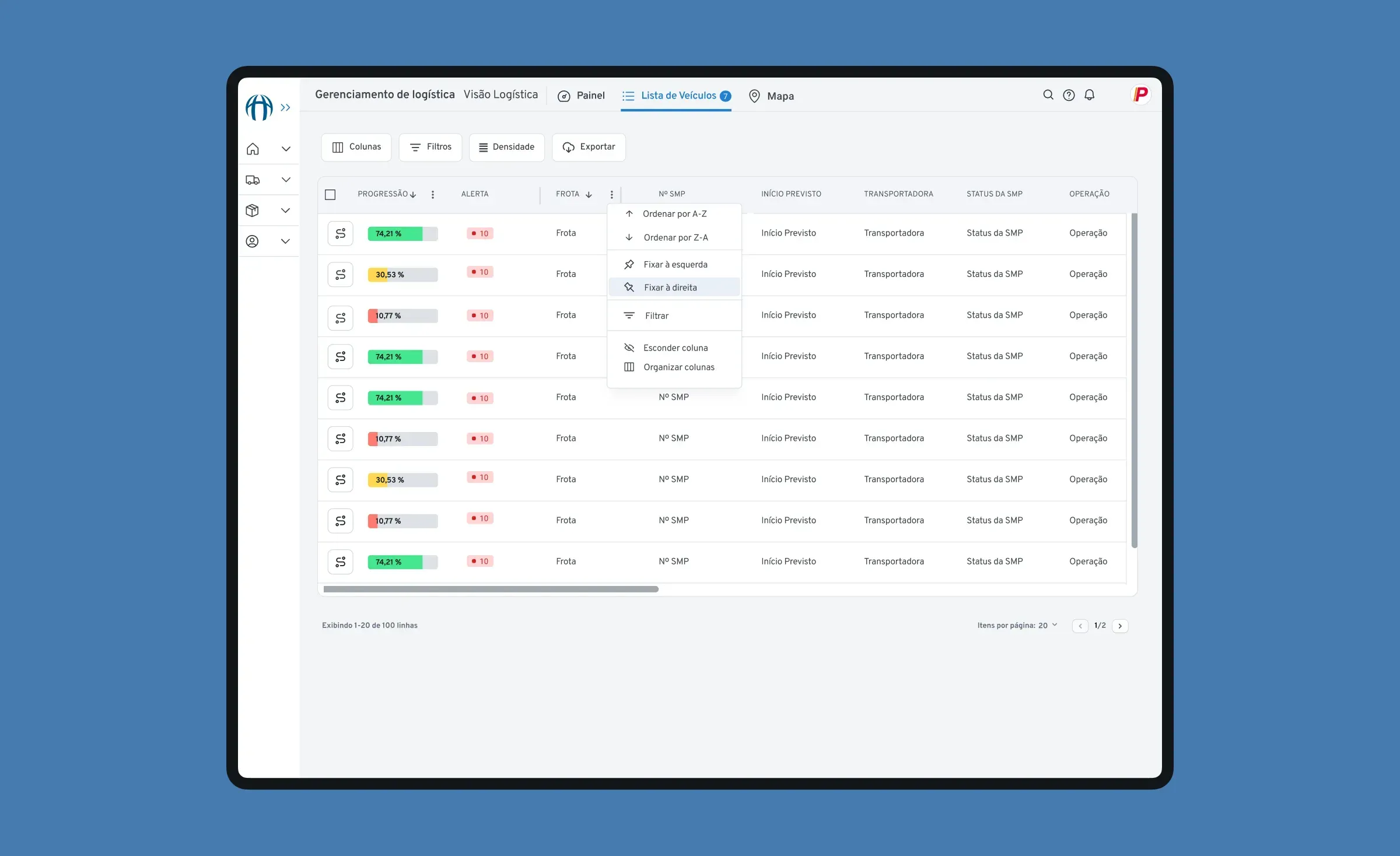
The challenge
Grupo Apisul offers insurance, risk management, logistics, payments and claims services, each running on a separate platform. This fragmentation complicates both purchasing and implementation, and leaves customer data distributed across systems that do not communicate with each other.
The project set out to determine whether these services could operate as a single integrated ecosystem, one where customers select and activate the modules they need without navigating five different products.
Process
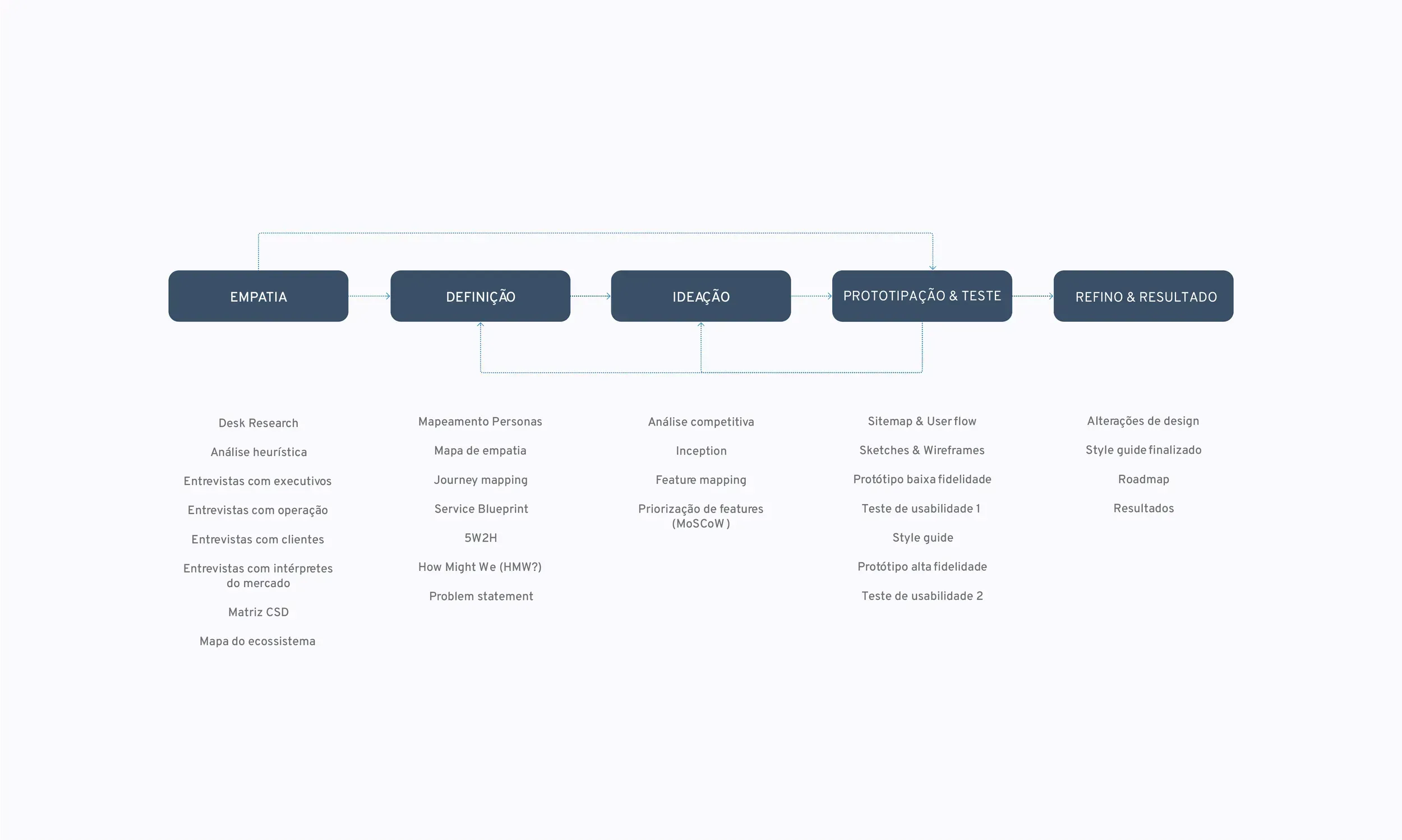
With five products and several distinct audiences involved, I mapped the ecosystem before beginning any interviews. I then spoke with executives about strategy, with the operations team about the obstacles they encounter daily, and with carriers across a range of sizes and regions. That range mattered: the constraints facing an independent driver differ substantially from those facing a company managing a large fleet. Each stage of the work raised a different question, and the methods followed from there.
Research insights
The research combined two approaches. In depth interviews with executives, operations staff and external customers, ranging from independent drivers to large shippers. Alongside that, a market study covering industry data, technology trends, competitor benchmarking and interviews with founders of established insurtechs.
What we heard from users
- Customers place high value on identifying opportunities to improve their operations, and they expect the systems they use to support that directly.
- Access to their own data was indirect. To review logistics, risk or insurance information, customers depended on monthly reports or had to request the data each time they needed it.
What the market showed
- Only 5% of companies apply data intelligence to their operations, according to TOTVS, which creates room for Apisul to differentiate itself by helping customers reduce costs and claims. (Source: ABRALOG)
- The insurtech market is growing 53.5% annually and is projected to reach USD 264.9 billion by 2032, indicating a mature demand for fully digital solutions. (Source: Market Research Future)
Goals
Bring the products together
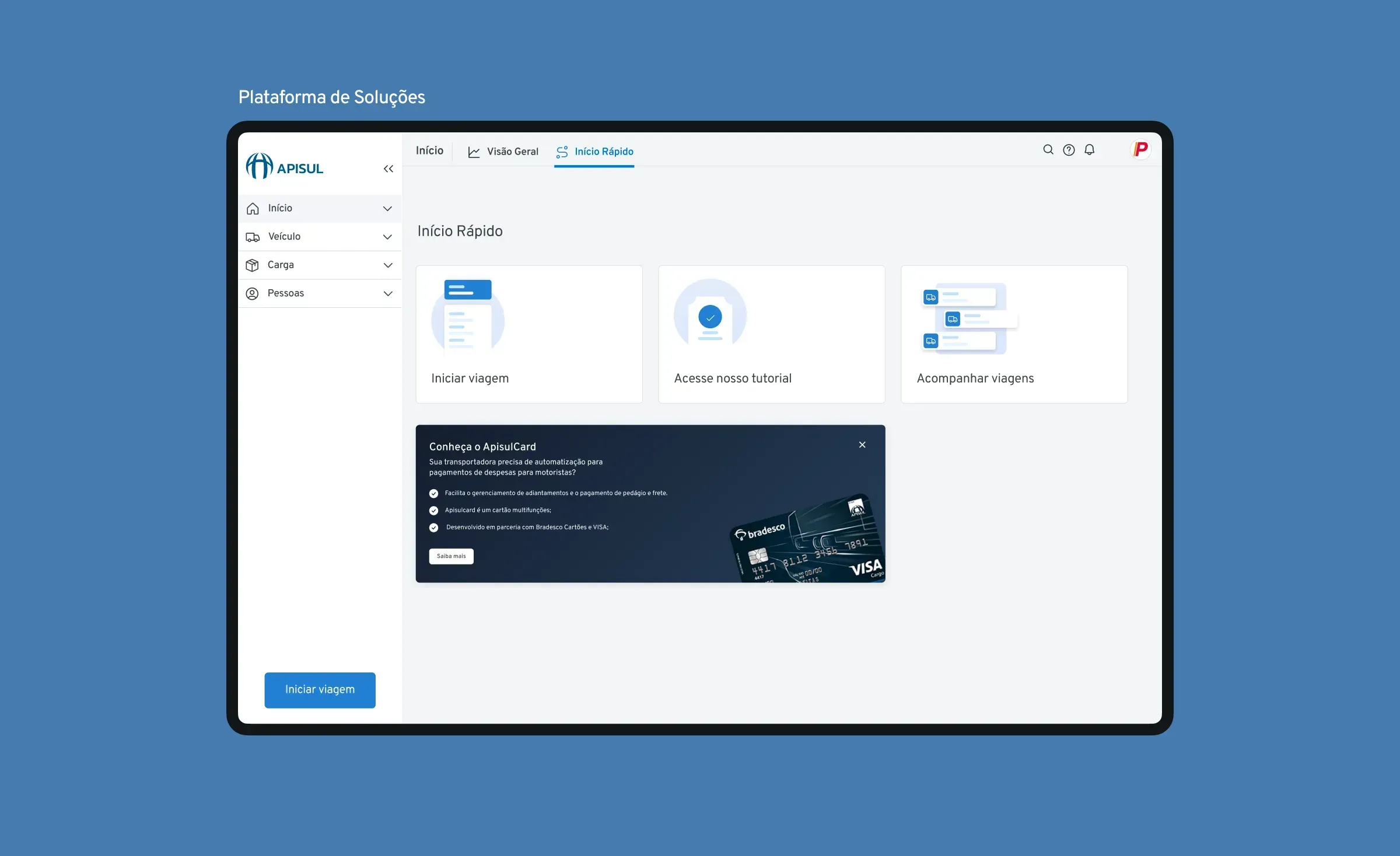
Consolidate products and services into a single platform organized around customer behaviour, so that purchasing decisions start from a business need rather than from the company internal structure.
Modernize the interface and standardize components
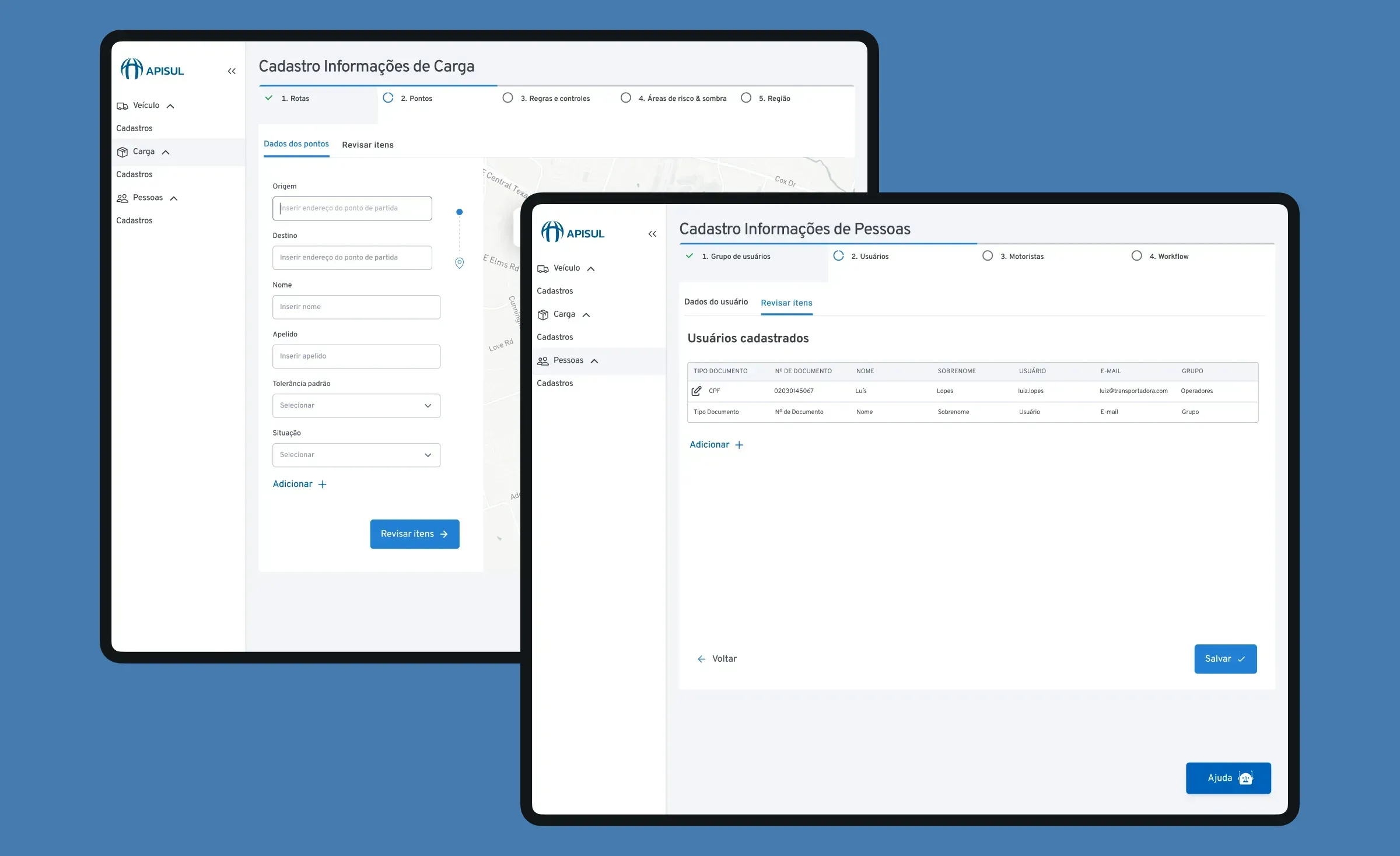
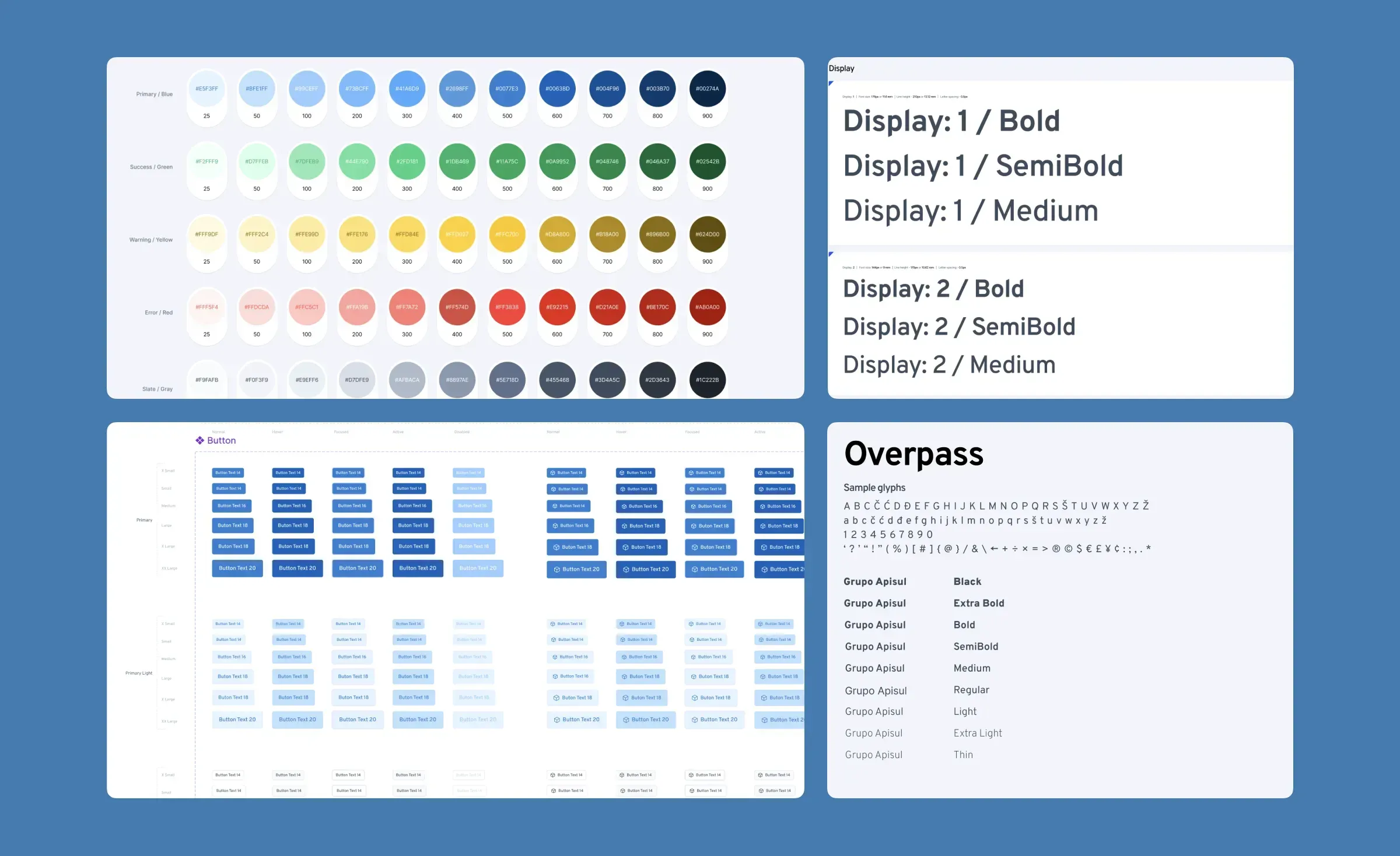
Establish a shared component set across the products, giving the solution the consistency required to scale.
Give customers more autonomy
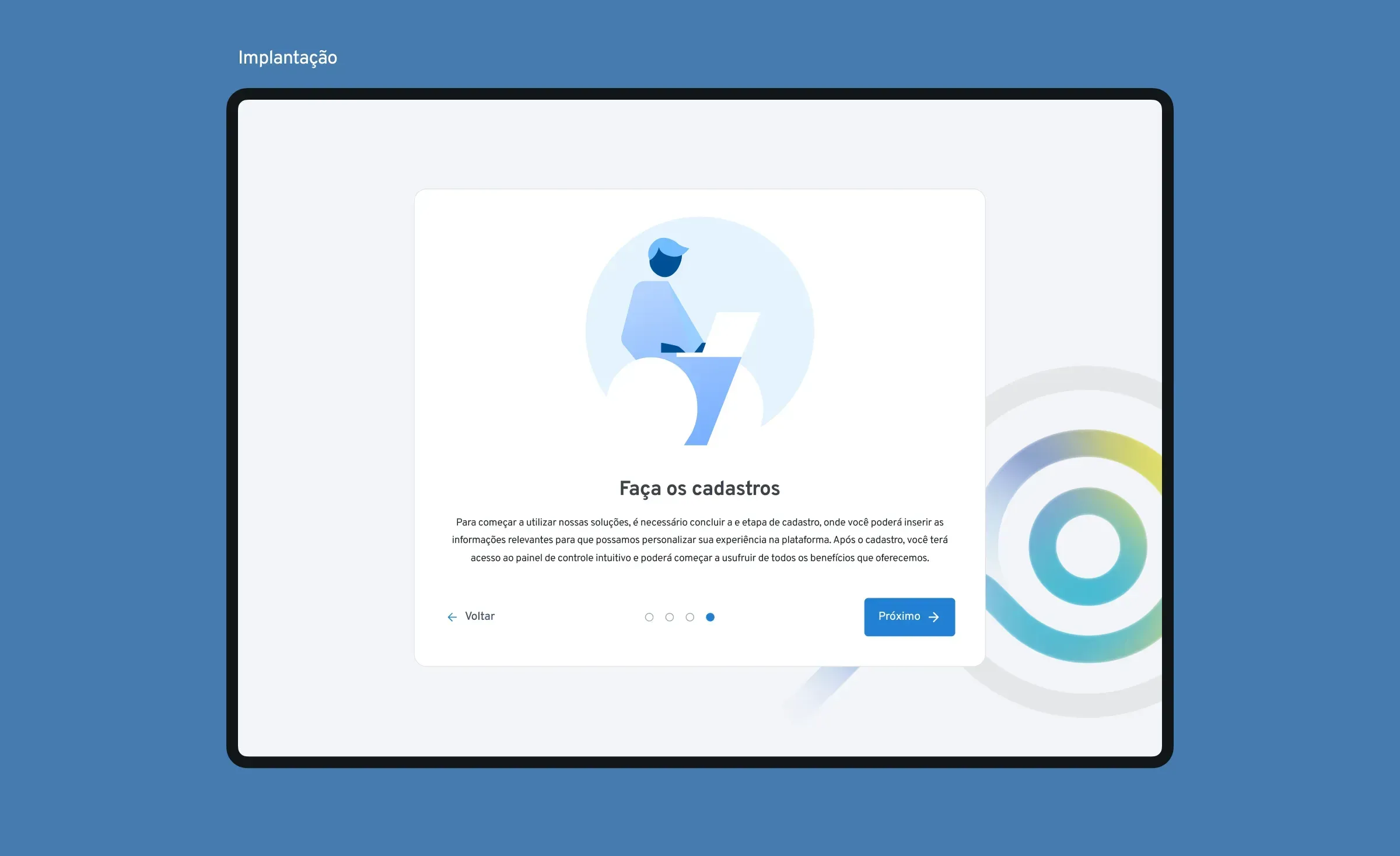
Enable customers to manage their own operation independently, including uploading their own data and purchasing online. This also created a path to serve small carriers and independent drivers, a segment the traditional sales model could not reach economically.
Project decisions
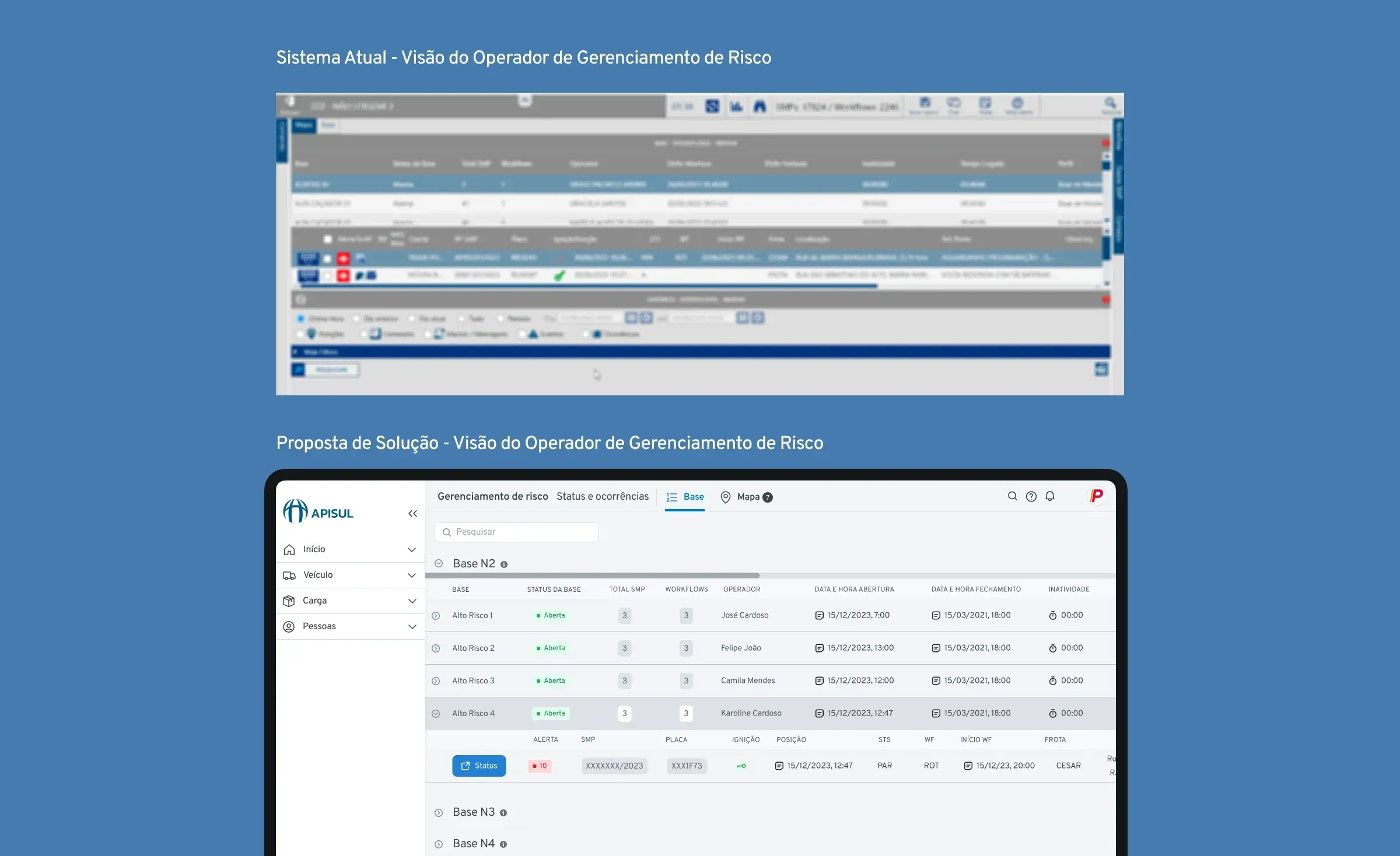
The prototype served a specific purpose. Consolidating every product line into one platform was a decision beyond the scope of the project, so the prototype was never treated as a development specification. Its role was to make the concept tangible in a conversation with shareholders. That determined both the level of finish required and what needed testing. The two rounds of usability sessions were not there to validate screens for implementation, but to confirm with real users that the demand for centralised controls and a modern interface was genuine rather than our own reading of the interviews.
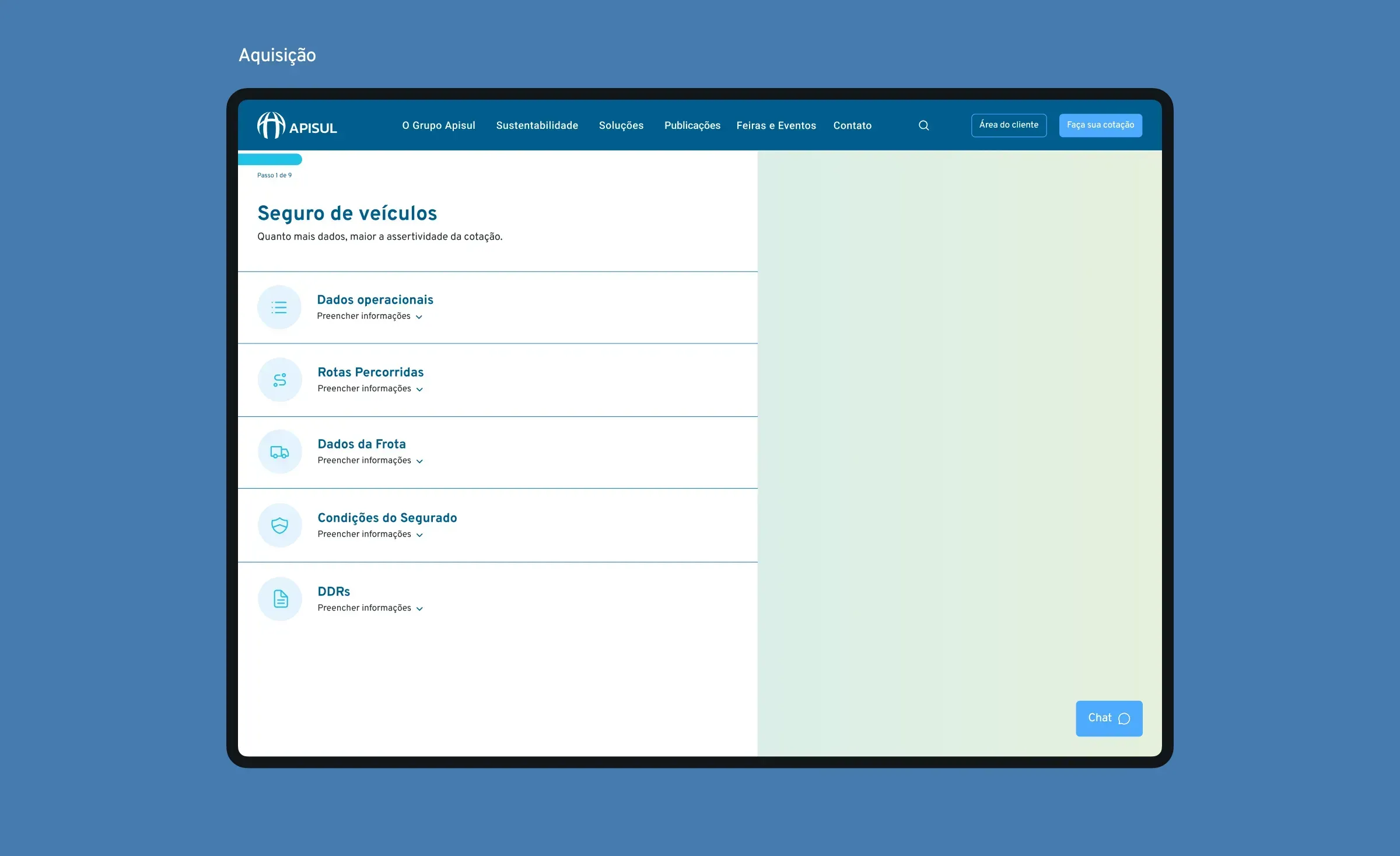
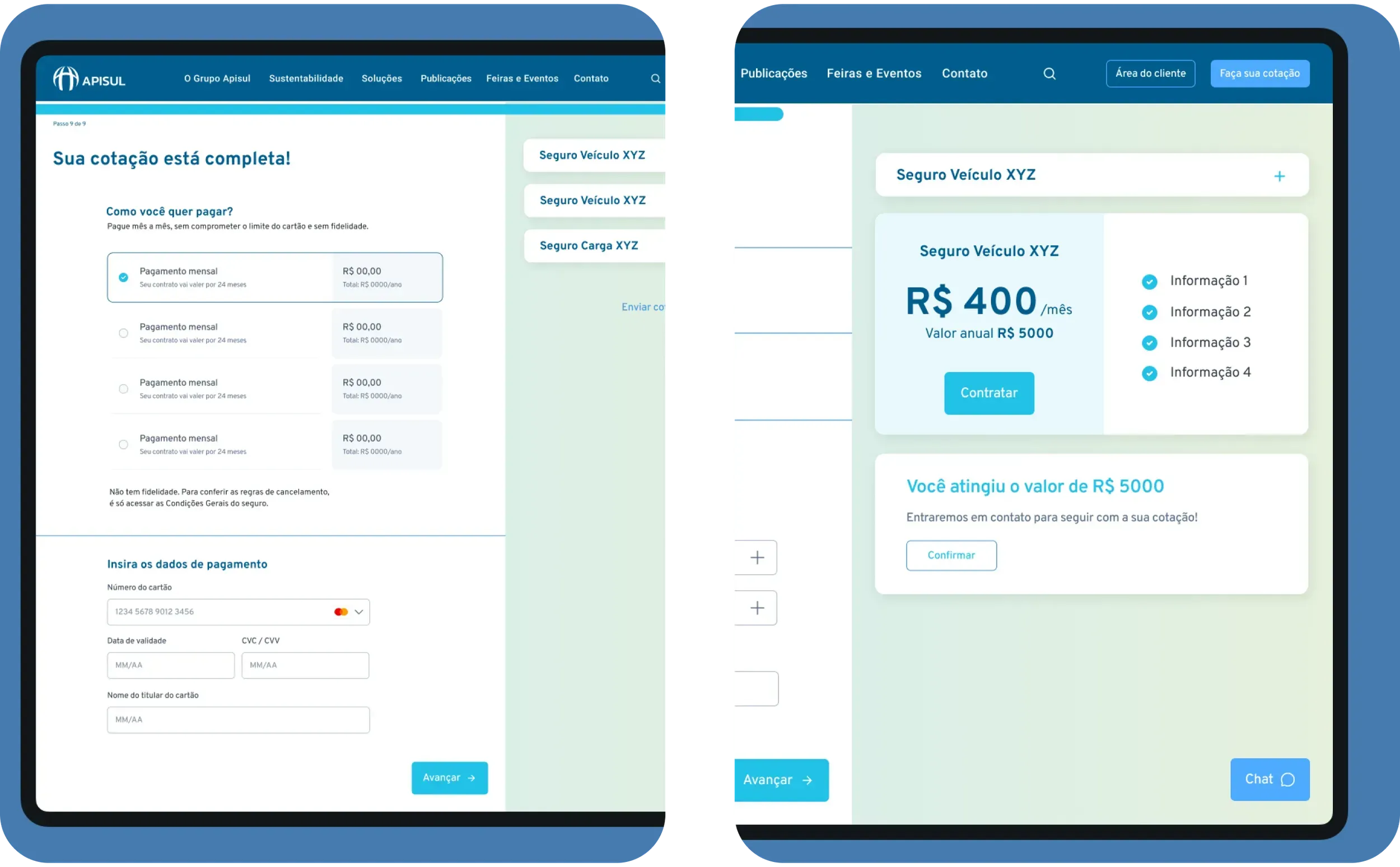
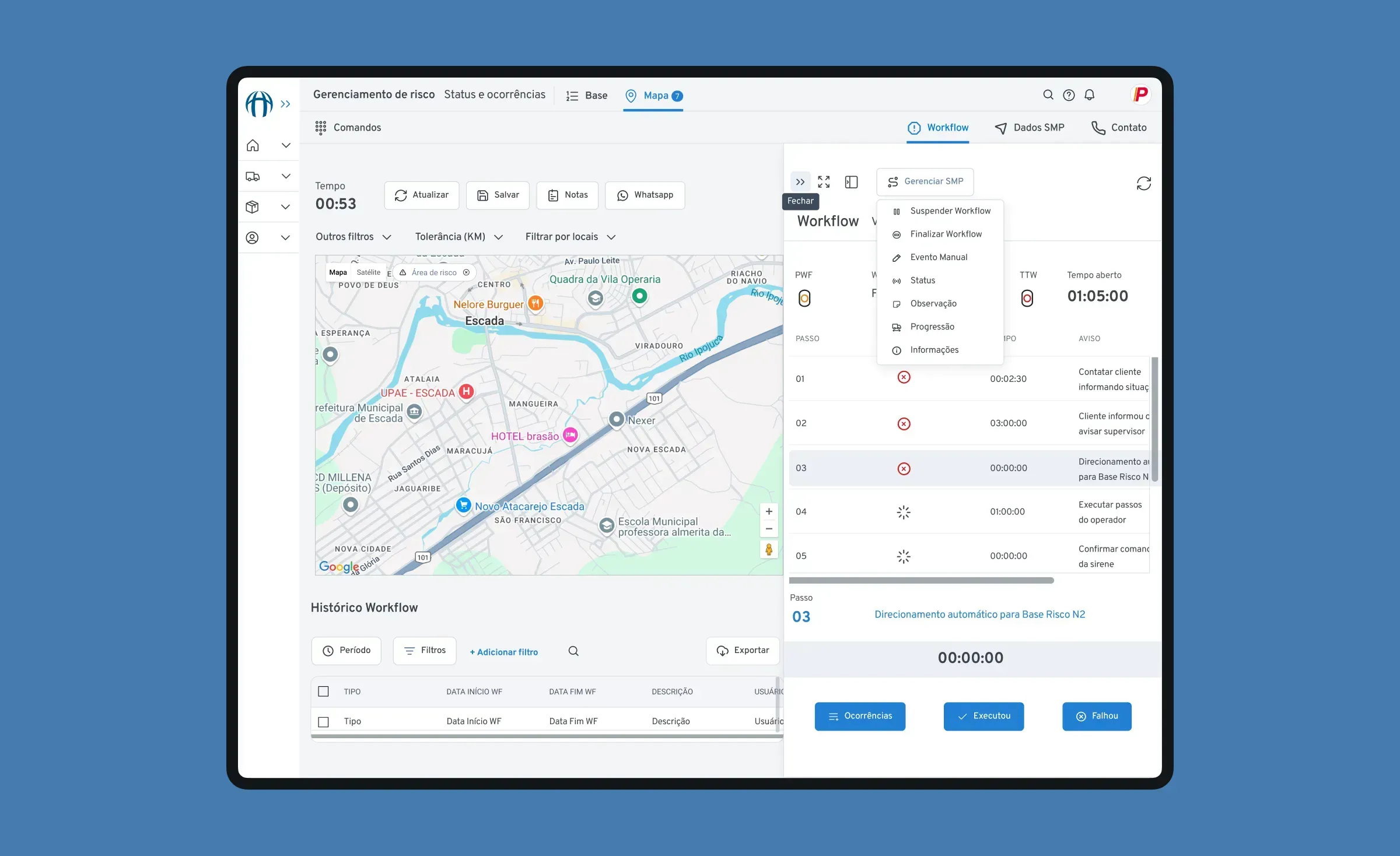
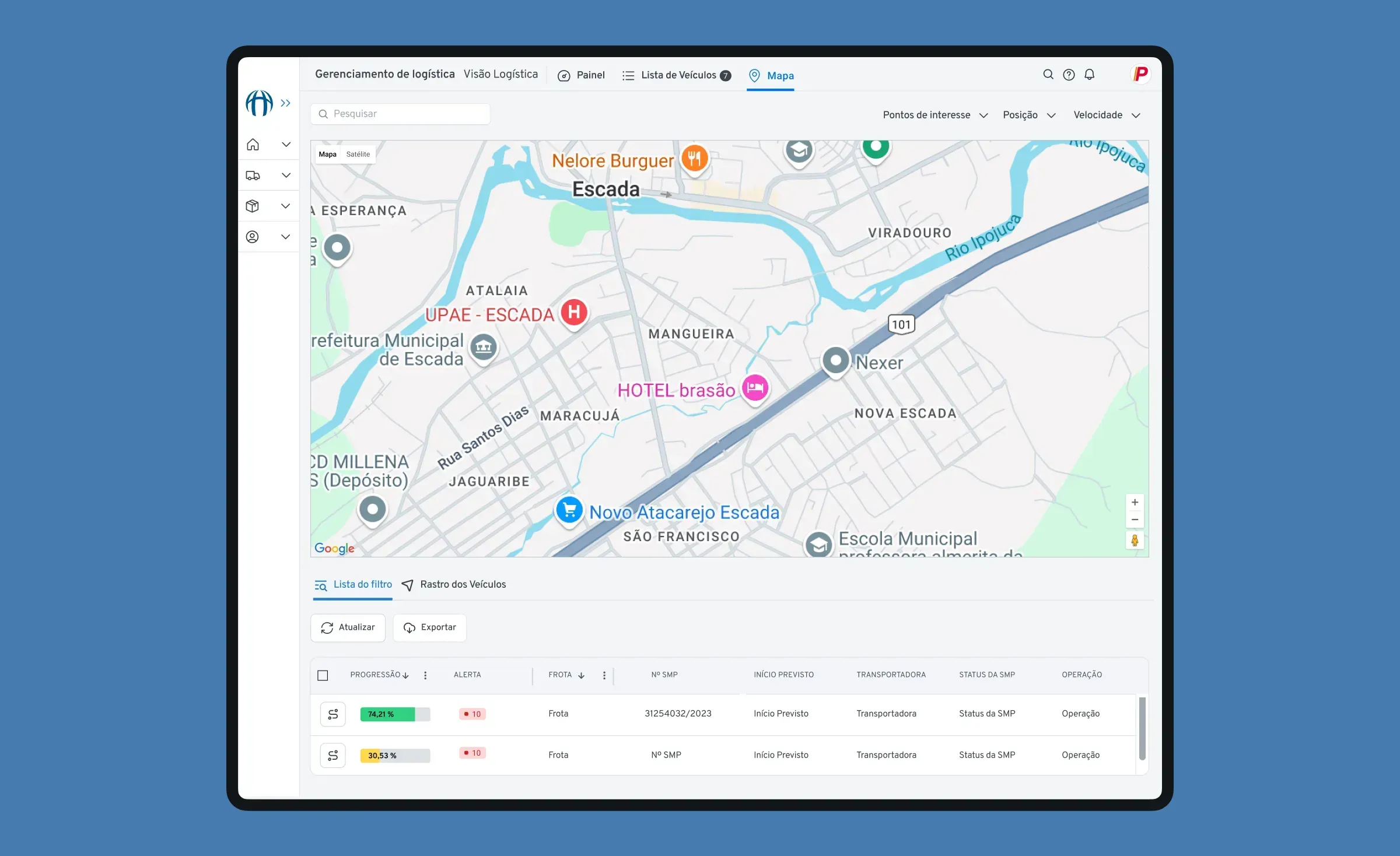
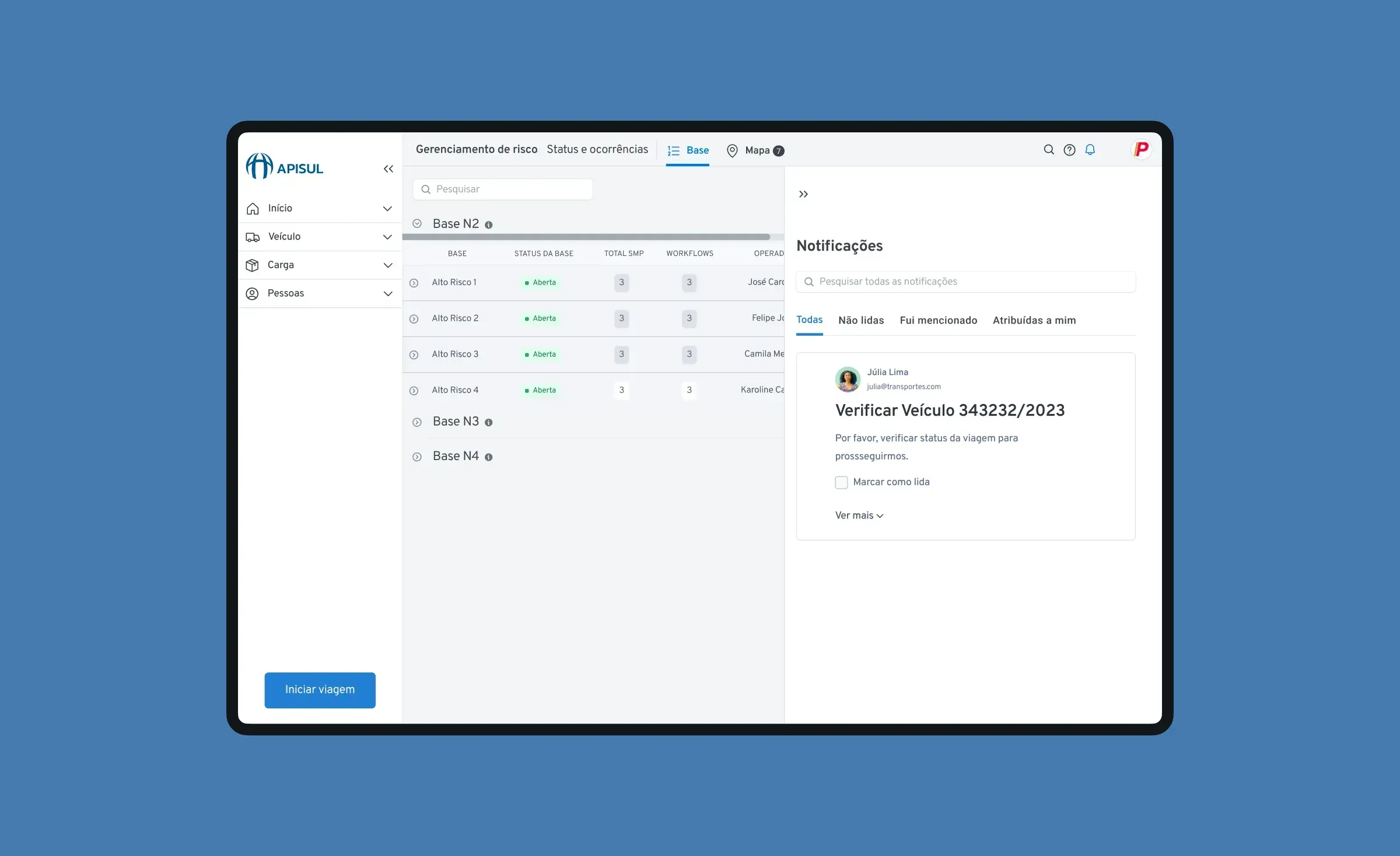
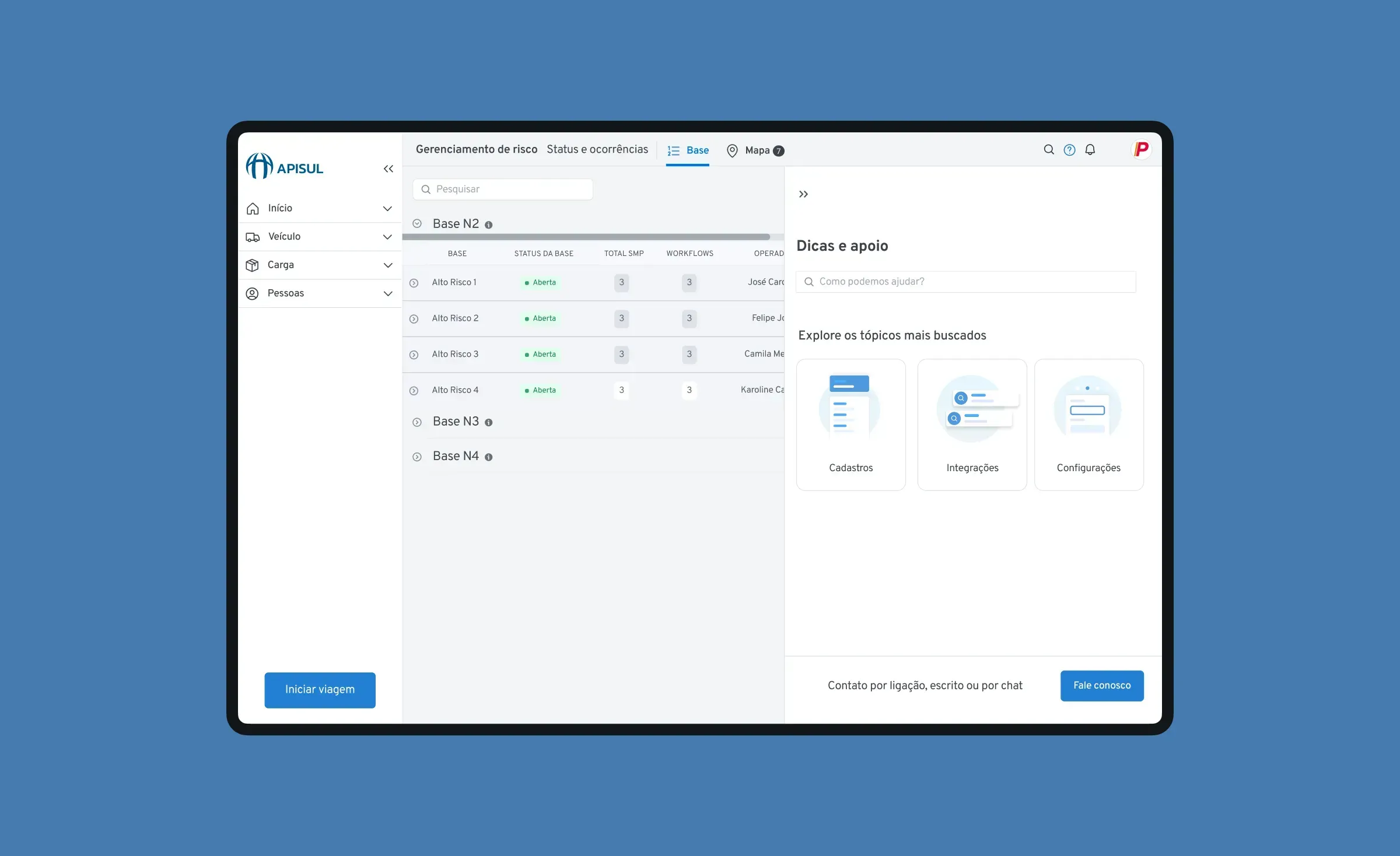
Each area included in the prototype had research behind it. The online purchase journey came from the insurtech interviews and the market data, both pointing toward digital purchasing without intermediaries, and was designed for small carriers and independent drivers who fell outside the traditional sales model. The help centre with asynchronous support came from the customer interviews, which revealed that support ran entirely through WhatsApp with no self service reference available. The style guide came from the heuristic review, which exposed five systems that had each evolved independently, with no shared components and interfaces well behind current market standards.
The scope had limits. The client set the direction: insurance was already the core business, so the objective was to strengthen ApisulLog and Integra as products in their own right. Even within that scope, we identified more opportunities than the timeline allowed. I cross referenced the findings against Google Analytics usage data and we prototyped only the most accessed features. For material intended to support a decision, depth across a few screens carried more weight than broad but shallow coverage.
Results
The delivery here was strategic rather than technical. The research, the prototype and the style guide formed a consolidated view of how to modernise Apisul digital products, and that view is what the shareholders evaluated. It supported the two initiatives that followed.
The first was the modernisation of ApisulLog and Integra, developed by an external technology company. I continued on the project as product designer on the Apisul side, reviewing design deliverables alongside the partner team and researching market applications of artificial intelligence, a study that informed a list of potential new features for ApisulLog.
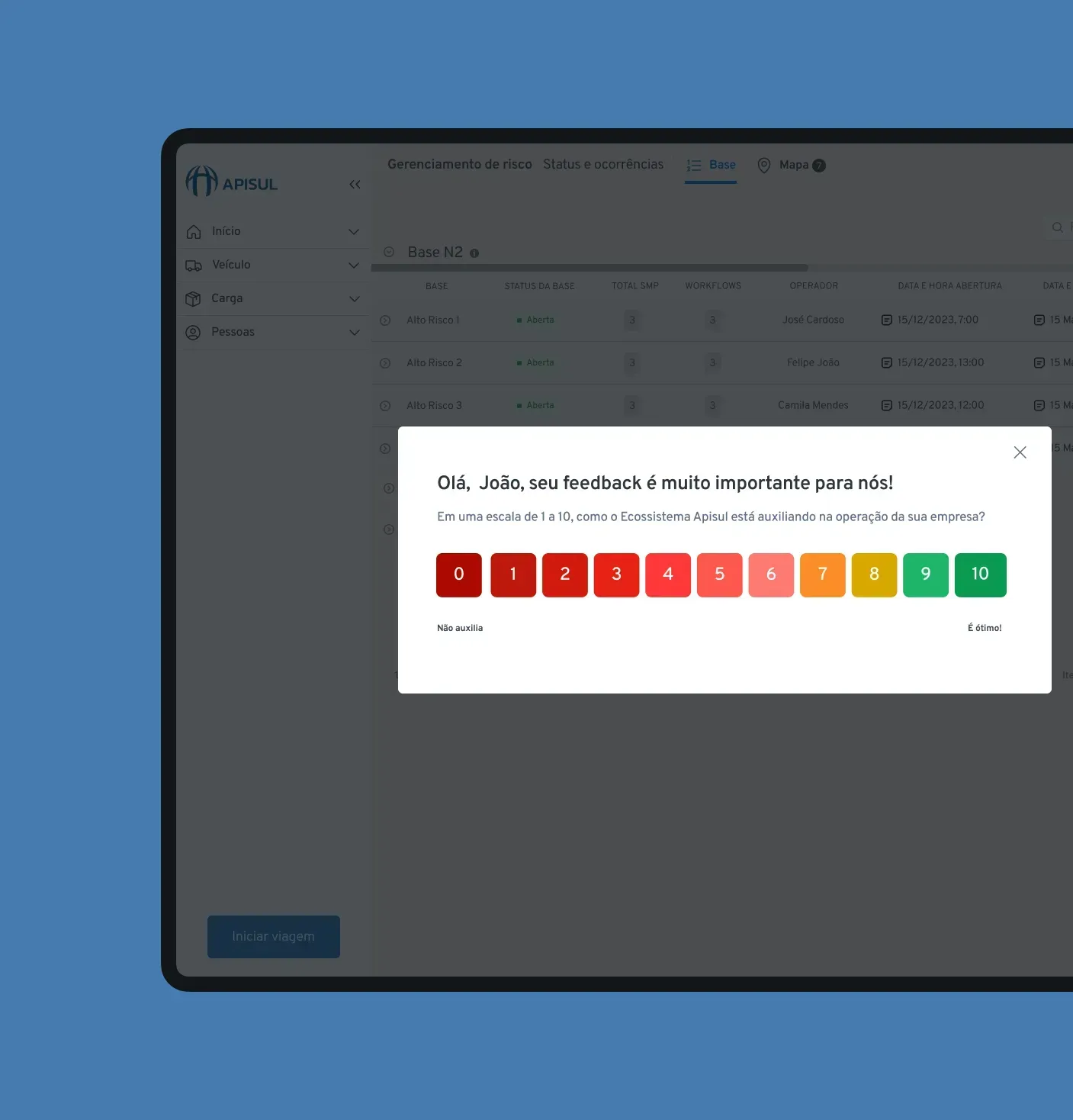
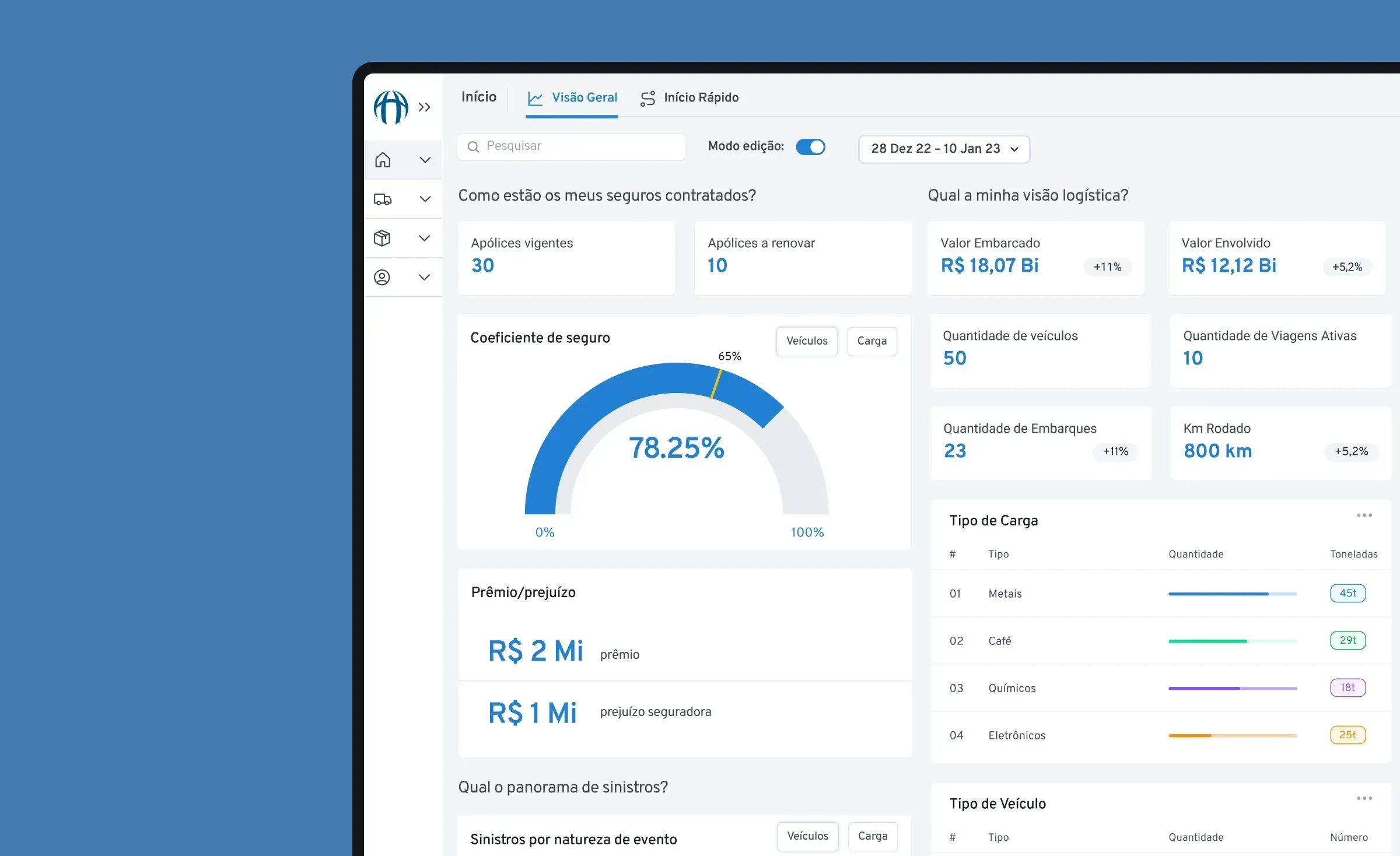
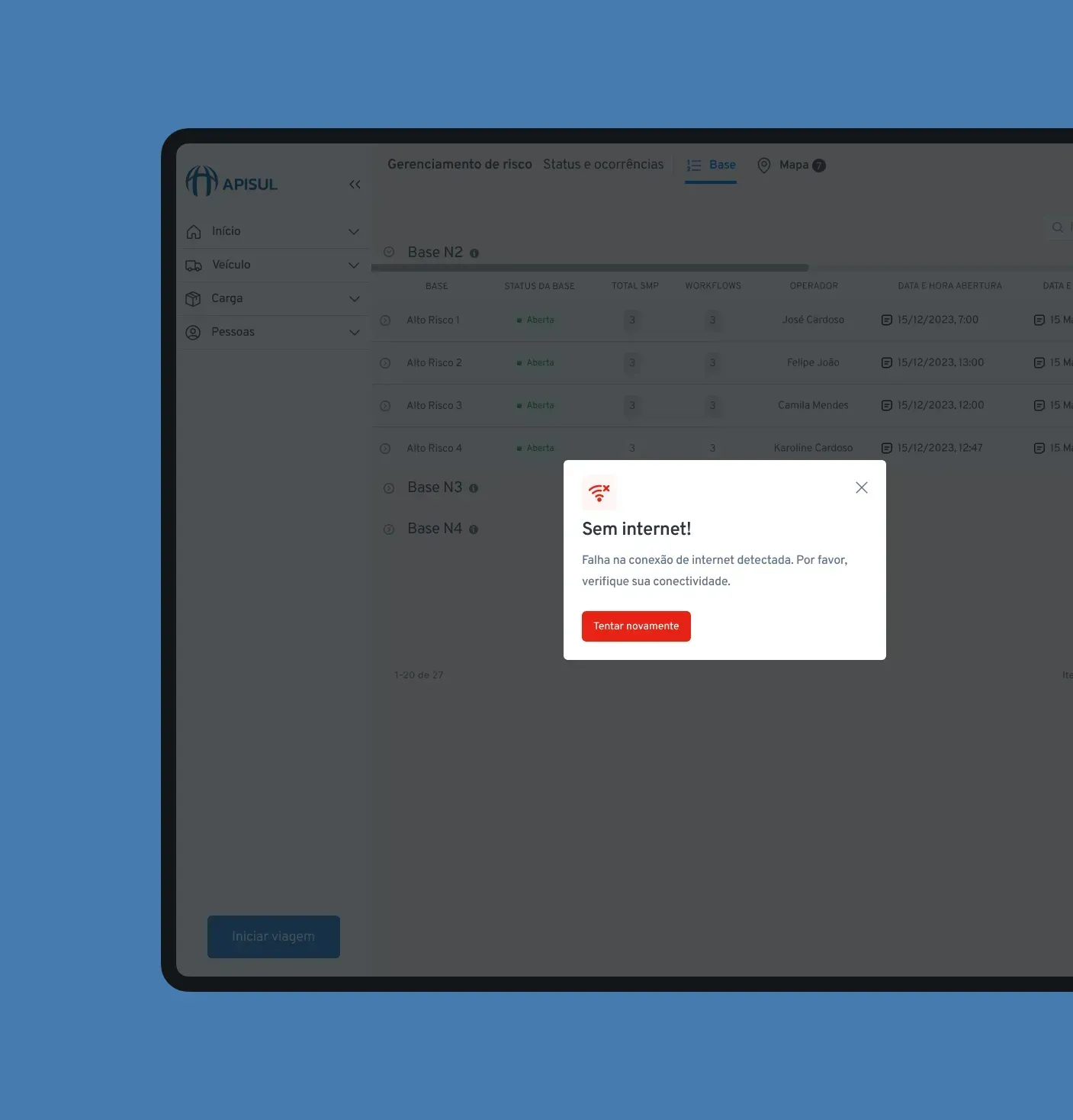
The second was the Customer Portal, a new product that emerged directly from the finding about restricted data access. It brought logistics, risk and insurance information into a single place, together with a help centre and financial documents. Development began in late 2024 and the product launched in 2025. I led the design and worked closely with one developer throughout. Rather than building a component library from scratch, we adopted an existing one and applied Apisul branding to it, which modernised the interface and reduced the time to launch considerably.
Tools
- Figma
- Miro
- Typeform
The team
- Aron Krause Litvin (Innovation and Strategic Design)
- Gabriela Dall’Agnol (Coordination, research and Product Design)
- Stéphanie Gonzaga (Product Designer)